
A Creative Getaway to Western Tokyo: 5 Ways to Experience Kita-Tama
Tokyo’s Tama area is filled with such lush, abundant greenery that it’s sometimes hard to believe you’re still within the official borders of the capital. Lying between the vibrant heart of central Tokyo and the quiet, rural reaches of the Tama hills, Kita-Tama—the northern section of this vast area and the one closest to the capital’s 23 wards—offers a harmonious blend of city life, culture, and nature, inviting visitors of all ages to explore its creative and inspiring side. Here are five ways to spend a leisurely day or weekend enjoying nostalgic cultural spots, hands-on arts and crafts, and plenty of tranquility.
1. Feel History at Edo-Tokyo Open-Air Architectural Museum
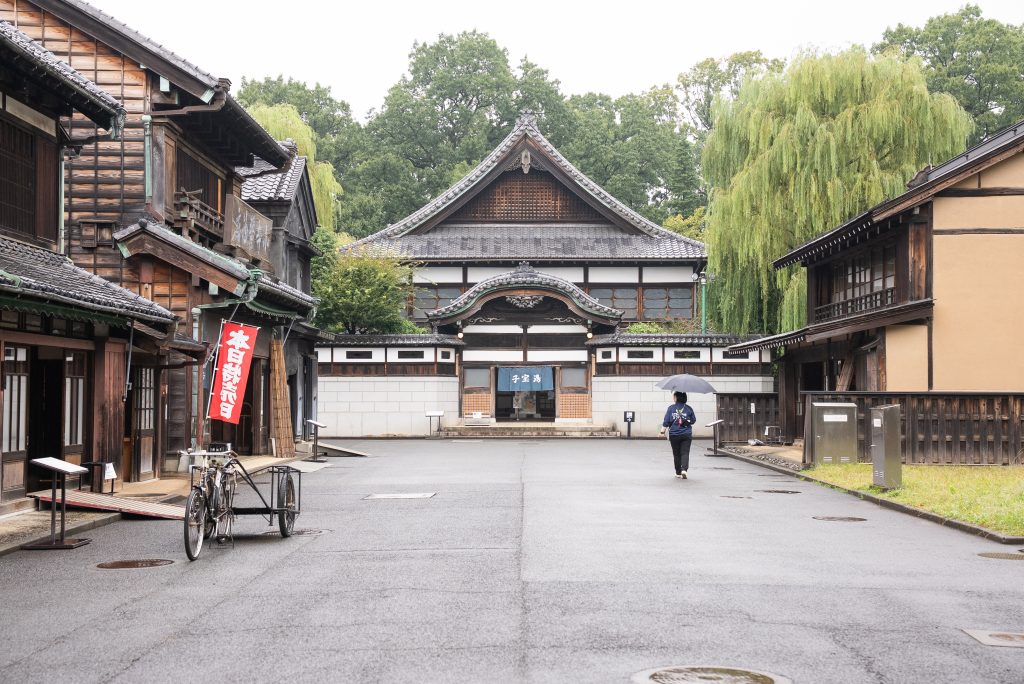
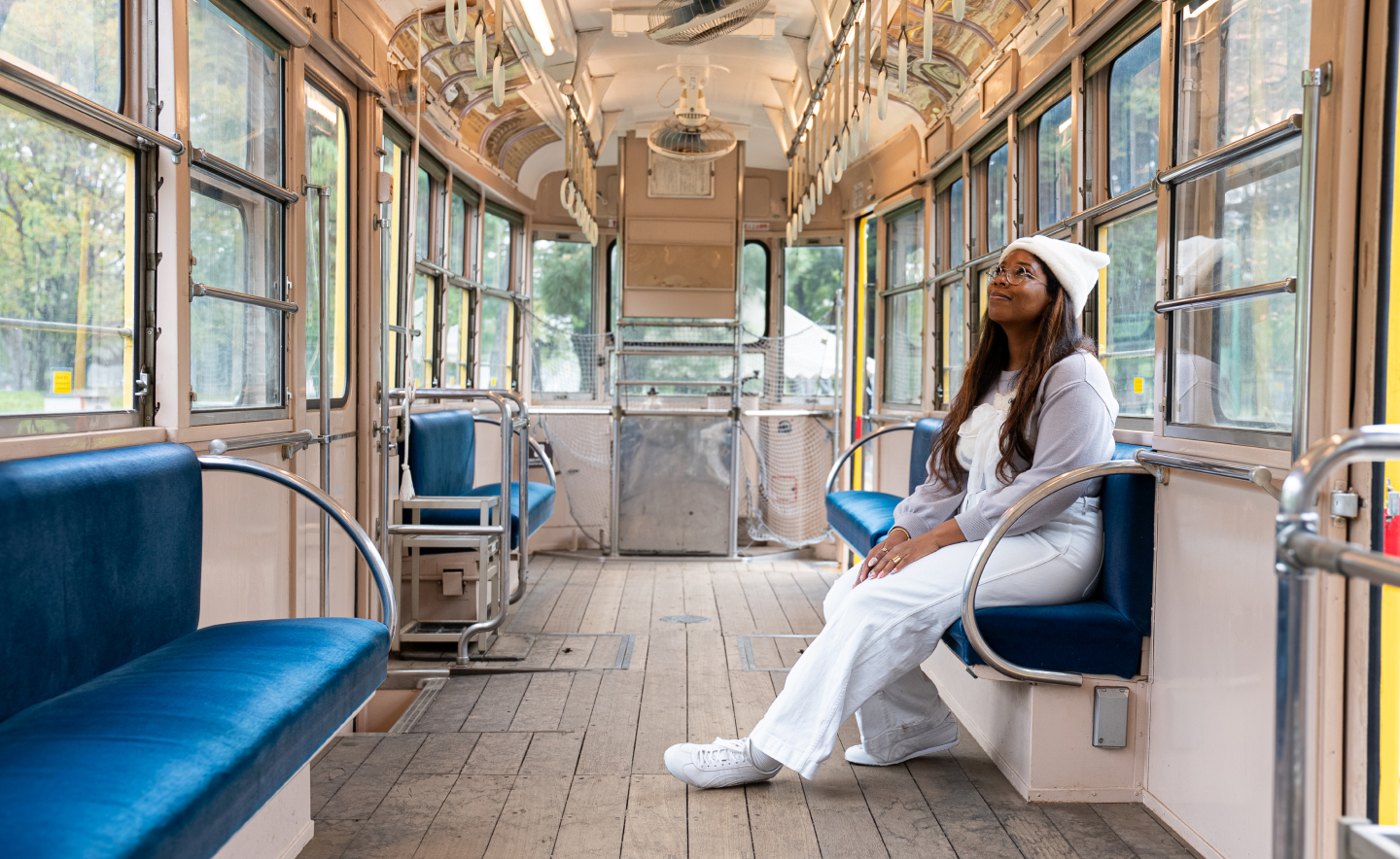
Located in the city of Koganei, within the expansive Koganei Park, this al fresco museum takes visitors back in time. It features a series of reconstructed buildings from several of Japan’s historical eras, beginning with the Edo period (1603–1867, when Japan’s capital was known as Edo and housed the ruling Tokugawa shogunate) and onward through the subsequent Meiji, Taisho, and Showa periods, when Japan opened its borders and entered its modern period of internationalization.
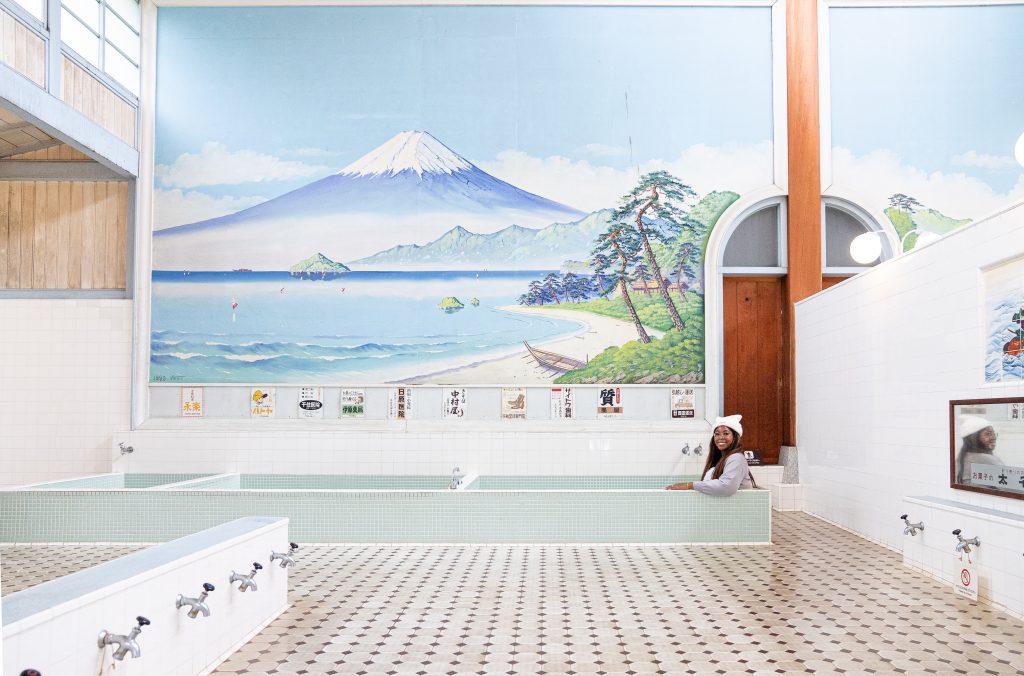
A stroll around the museum grounds offers the chance to explore structures designed to evoke an authentic historical ambiance. These include retro stationery shops, grocery stores, dried goods shops, inns, farmhouses, and the former homes of notable historical figures. A particular highlight is the “Kodakara-yu,” a public bathhouse from 1929 located along Shitamachi-naka Dori, a nostalgic downtown avenue. This bathhouse, along with other buildings in the area, is believed to have greatly inspired Hayao Miyazaki’s creation of Yubaba’s bathhouse in his iconic Ghibli Studio film, Spirited Away. Although Kodakara-yu no longer operates as a public bathhouse, it has become one of the most photographed sites in the museum.
Seasonal events, including the retro-style Downtown Summer Evening every August and fall foliage illumination in November, are also held regularly on the museum grounds, many of which provide family-friendly experiences for those with little ones.
2. Chill Out at Cafe Terrace Fugenji
A short drive from the open-air museum, or just a 10-minute walk from Tama Station on the Seibu Tamagawa Line, lies this charming temple cafe in the city of Fuchu, run by Jokan Ono, a Buddhist priest of the Shingon sect and head priest of Fugenji Temple. Light meals of hot sandwiches and fragrantly spiced Indian-style curry are served on the temple’s ground level, along with an array of coffee, tea, lattes, and matcha beverages, in an attractive, calming atmosphere. Welcoming to families with small children too, Cafe Terrace Fugenji offers children’s menus featuring fruit juice, milk, and ice cream.
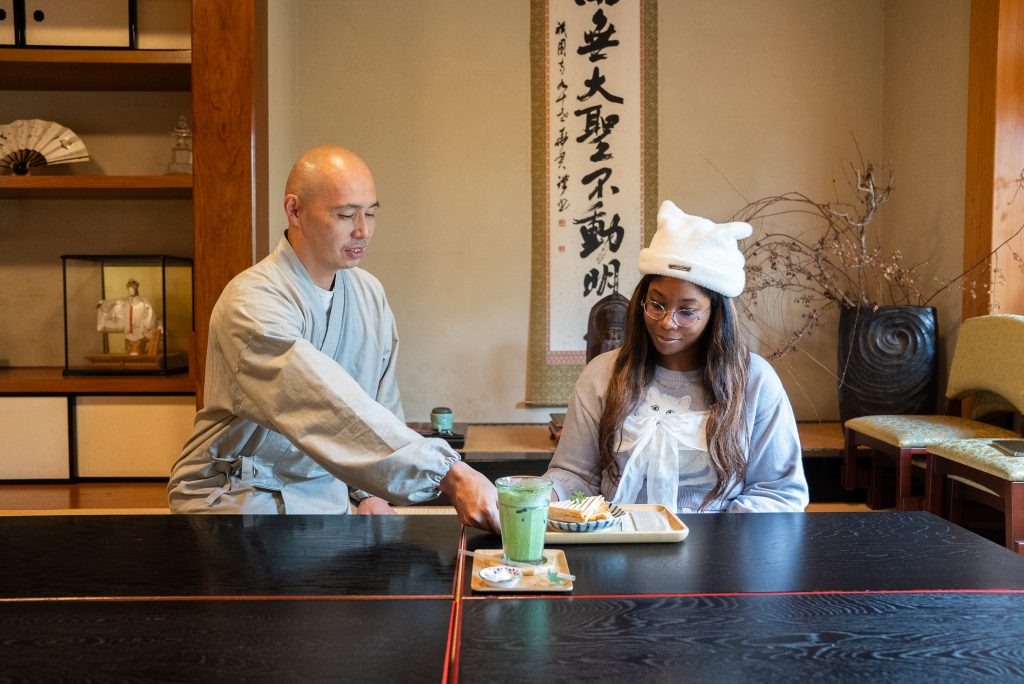
The tokonoma (alcove) features beautiful installations, including a kakejiku (calligraphic scroll) and other artistic pieces. The hallway adjacent to the dining area features shelves of books curated by Ono’s wife. The library features both Japanese and English titles on intriguing metaphysical topics such as the meaning of life and death and the cosmos surrounding us, along with a selection of children’s and travel books. Those willing to stay a little longer can also try sutra copying (shakyo) for a small additional fee—a meditative experience that perfectly complements the cafe’s tranquil atmosphere.
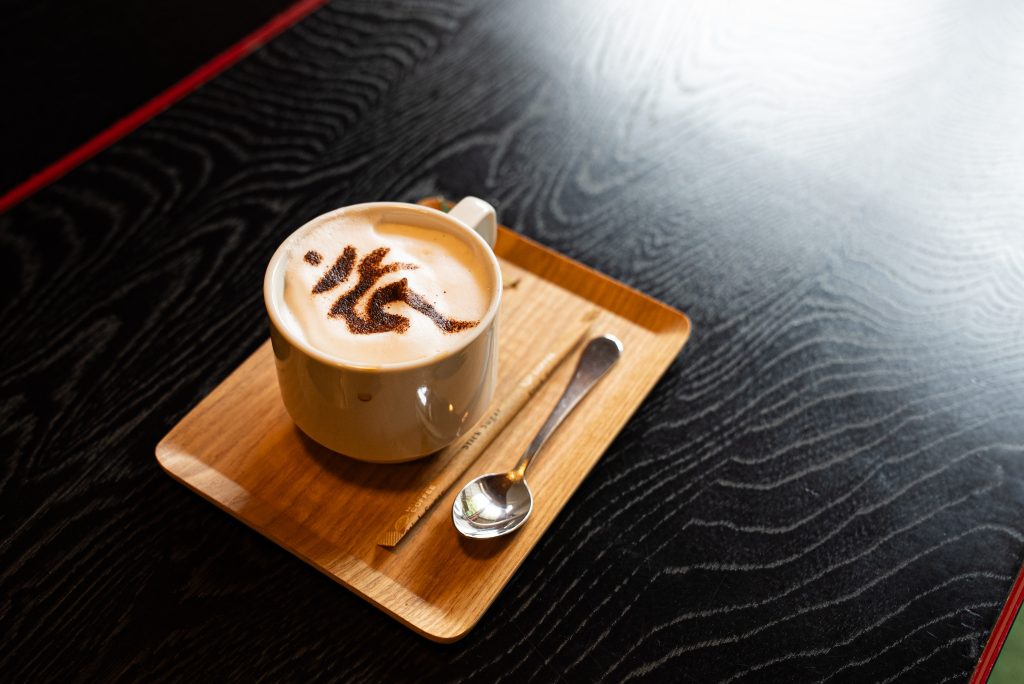
Upstairs, in the religious hall, Ono leads a goma (fire) ceremony on the 28th of every month. During this powerful ritual, he creates a fire into which he tosses a series of grains, helping those in attendance become liberated from their earthly attachments. Even if you cannot attend the ceremony, stop by for a tranquil afternoon break at the cafe—Ono is exceedingly friendly and happy to chat with cafe guests in his fluent English. The cafe is open every Monday, and Wednesday through Friday from 10am-5pm.
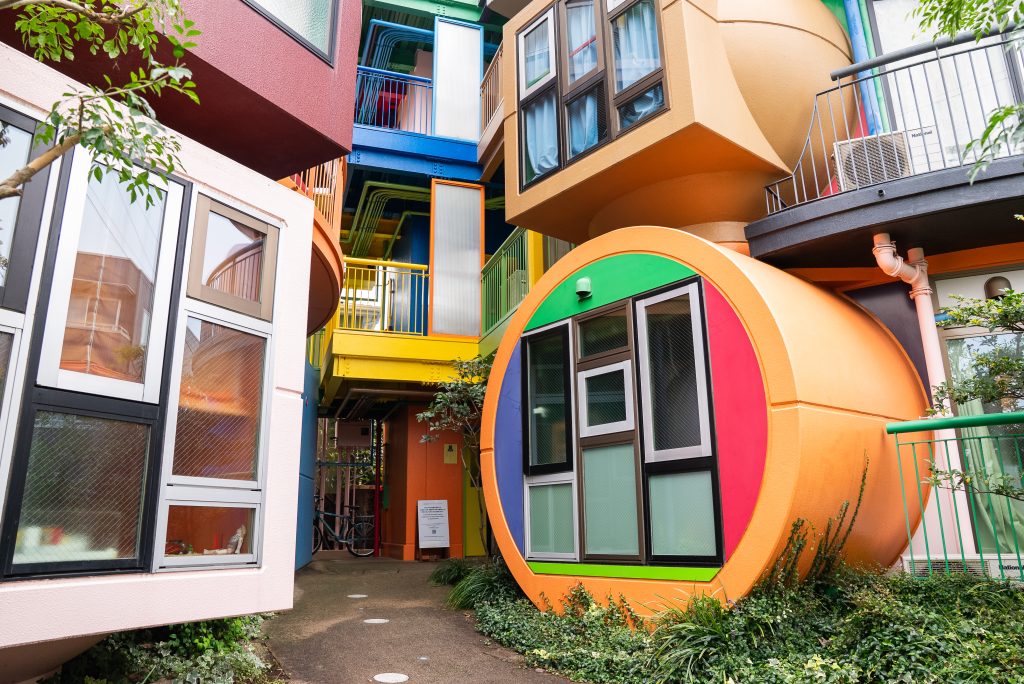
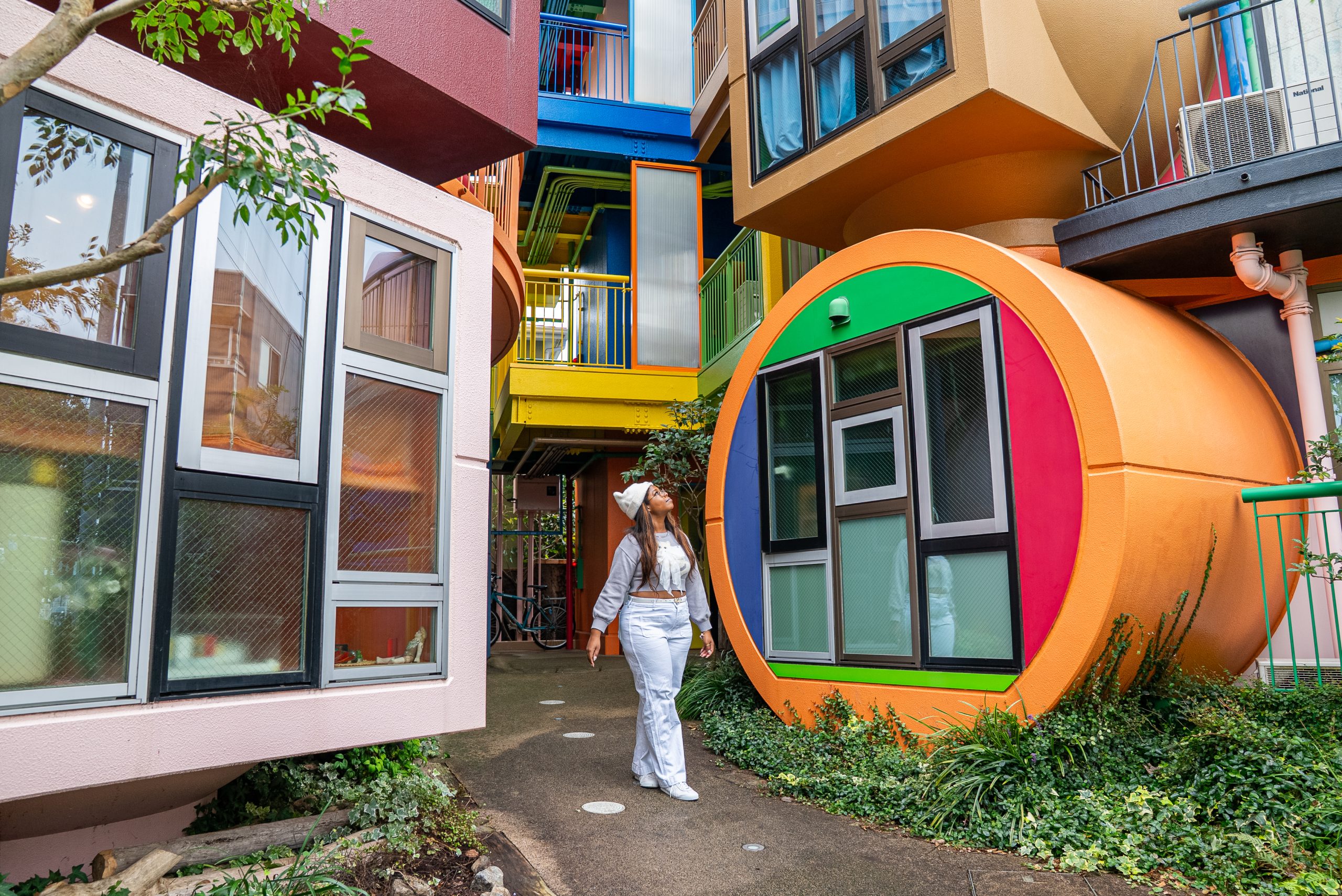
© 2005 Reversible Destiny Foundation. Reproduced with permission of the Reversible Destiny Foundation
3. Expand Your Senses at the Reversible Destiny Lofts—Mitaka
East of Fuchu, in the city of Mitaka, lies an urban art project that offers a fascinating glimpse into the intersection of architecture, art, and philosophy. Here, a collection of nine apartment units stands out starkly against the surrounding city streets due to its fantastical colors. Tours of the apartments are offered to introduce visitors to the entirely unique worldview of its creators (architect and conceptual artist Shusaku Arakawa, together with his partner Madeline Gins, a writer, poet, and artist from the United States). The domiciles were built as a homage to American author and activist Helen Keller, who was both blind and deaf. Replete with design features such as tilting floors, a room that serves as a virtual echo chamber, hooks suspended from ceilings that function as closet space, and foot reflexology-esque nodules built into the flooring, the diminutive spherical apartment units reflect the ongoing interplay between dweller and dwelling by necessitating an intimate consideration of one’s surrounding environment—just as Helen Keller herself must have once experienced.
Intriguingly, the tour begins with an empty apartment before moving on to the on-site office, which is located inside a fully furnished unit. This serves to subvert expectations through the element of surprise, since the impression between the two apartments could not possibly be more stark. While the first apartment is bare, the office is decorated with various artistic touches, including posters and books that reflect the couple’s history in avant-garde artistic circles. Arakawa was one of the original members of the collective known as the Neo-Dadaism Organizers, and both artists were active in New York’s art scene during the 1960s and 70s, alongside notable figures like Yoko Ono and Yayoi Kusama.
4. Meet Your Inner Artist at Jota Handweaving Studio
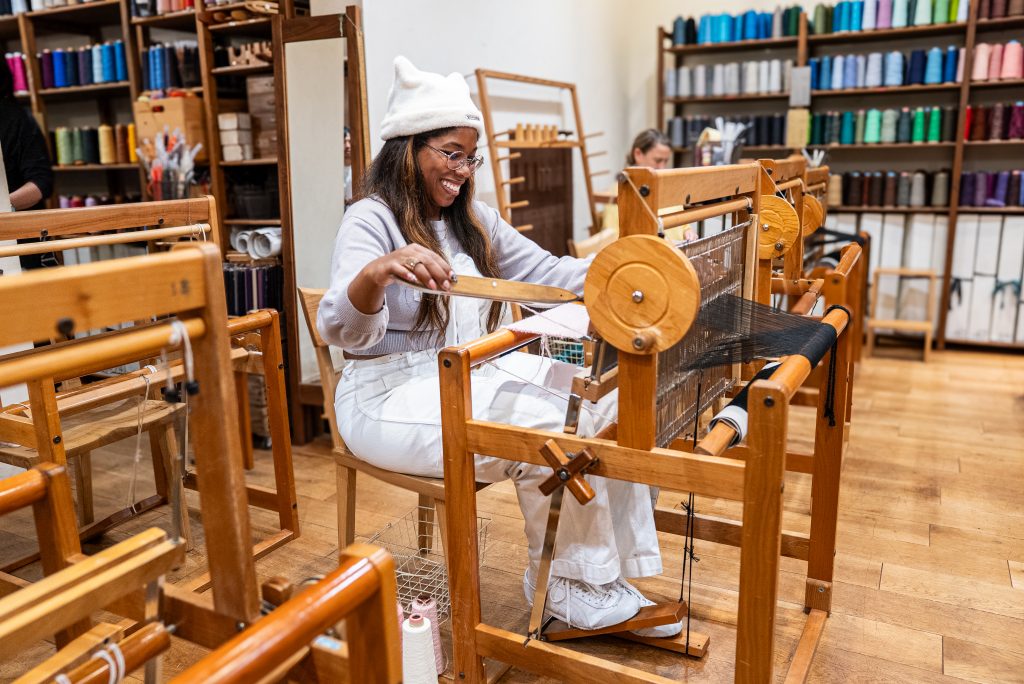
The artistic vibe continues at this exceptionally picturesque studio, tucked at the edge of the famous Inokashira Park, just a 20- to 30-minute car or bus ride from Reversible Destiny Lofts—Mitaka. Specializing in a technique known as Saori weaving, the studio space features a series of looms surrounded by row upon row of vibrantly colored thread spools, which line the shelves along the walls. The ethos of the studio is one of absolute freedom and creativity, with visitors encouraged to select as many different colors and styles of thread as they desire to craft something that is totally unique to their own taste.
The atmosphere of the studio is also an extremely friendly and welcoming one, with staff and long-time artists both eager to offer kind and patient instruction on how to use the loom—thereby ensuring that even total beginners can confidently create their item of choice (think scarves, tablecloths, pot holders, or whatever else your imagination might construe). Overlooking the lushly forested park, with the soft thudding of the looms reverberating throughout the room, a few hours at this exceedingly tranquil studio is a full sensorial experience you are unlikely to find elsewhere.
5. End Your Night to the Grooves of Kichijoji Sometime
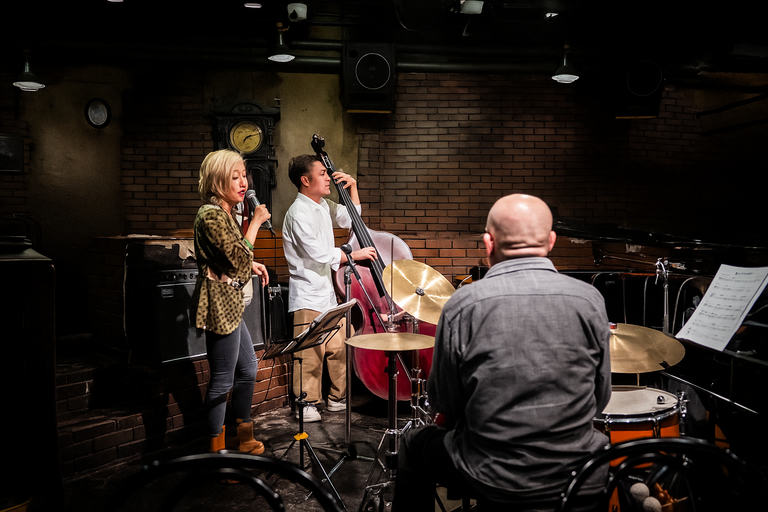
On the other side of the Inokashira Park, in the hip neighborhood of Kichijoji and less than five minutes on foot from Kichijoji Station—an area regularly ranked as one of the top districts in the metropolis both to live and to visit—sits one of Tokyo’s most beloved jazz establishments. Dating back to 1975, with vintage curios placed strategically throughout the premises, this is an ideal venue to spend an evening with local jazz musicians—some famous, some still undiscovered, all impressively talented. The club’s creative layout places the stage smack in the center, with seating above, below, and at eye-level with the band members—thereby ensuring a prime view no matter where you may be seated, along with the sense of unity that can only be created at a live venue where everyone is feeling the music. Reasonably priced, conveniently located, and turning out tasty food and drink from its onsite kitchen, this is a must-visit destination for music lovers.

Plan Your Visit
Getting Around
For those traveling to Kita-Tama via public transport, train access—as elsewhere in Tokyo—is convenient and efficient, easily accessible from all major Tokyo stations. All places featured in this article can be reached in less than an hour’s train ride from Shinjuku Station, via the Chuo, Seibu, or Keio lines. If you are traveling by car, there are parking lot options scattered throughout the region—download an app such as Parkopedia, SmooPA, NaviPark, or P.P.Park! for ease in locating them.
Food & Facilities
There are dozens of restaurants and shops in this region, particularly Kichijoji, which offers plentiful options on both sides of the train station. On the southern side is Inokashira Park, which is flanked by food and drink establishments, and even has some right inside (don’t miss the park’s weekend art markets, featuring the work of local crafters). On the north side of the station is Harmonica Yokocho, a series of tiny alleyways filled with pocket-sized eateries and bars. Mitaka, Musashi-Koganei, and Fuchu also have good options around the train stations, as well as some further afield.
When to Visit
The region is ideal to visit at any time of year, but the spring cherry blossoms and autumnal foliage in places such as Koganei and Inokashira Parks are particularly spectacular.
Accommodations
The Tama area may be close to central Tokyo, but with so many things to see and do there, it’s worth staying overnight and exploring further. For recommended places to stay, see here.
Explore further
For further information and the latest updates on all featured locations, see their respective websites here: Edo-Tokyo Open-Air Architectural Museum, Cafe Terrace Fugenji, Reversible Destiny Lofts—Mitaka, Jota Handweaving Studio, Kichijoji Sometime.
Hero image: ©2005 Reversible Destiny Foundation. Reproduced with permission of the Reversible Destiny Foundation
GET TO KNOW Kita-Tama