
Stepping Back in Time in Tokyo: Exploring Ome’s Culture and Traditions
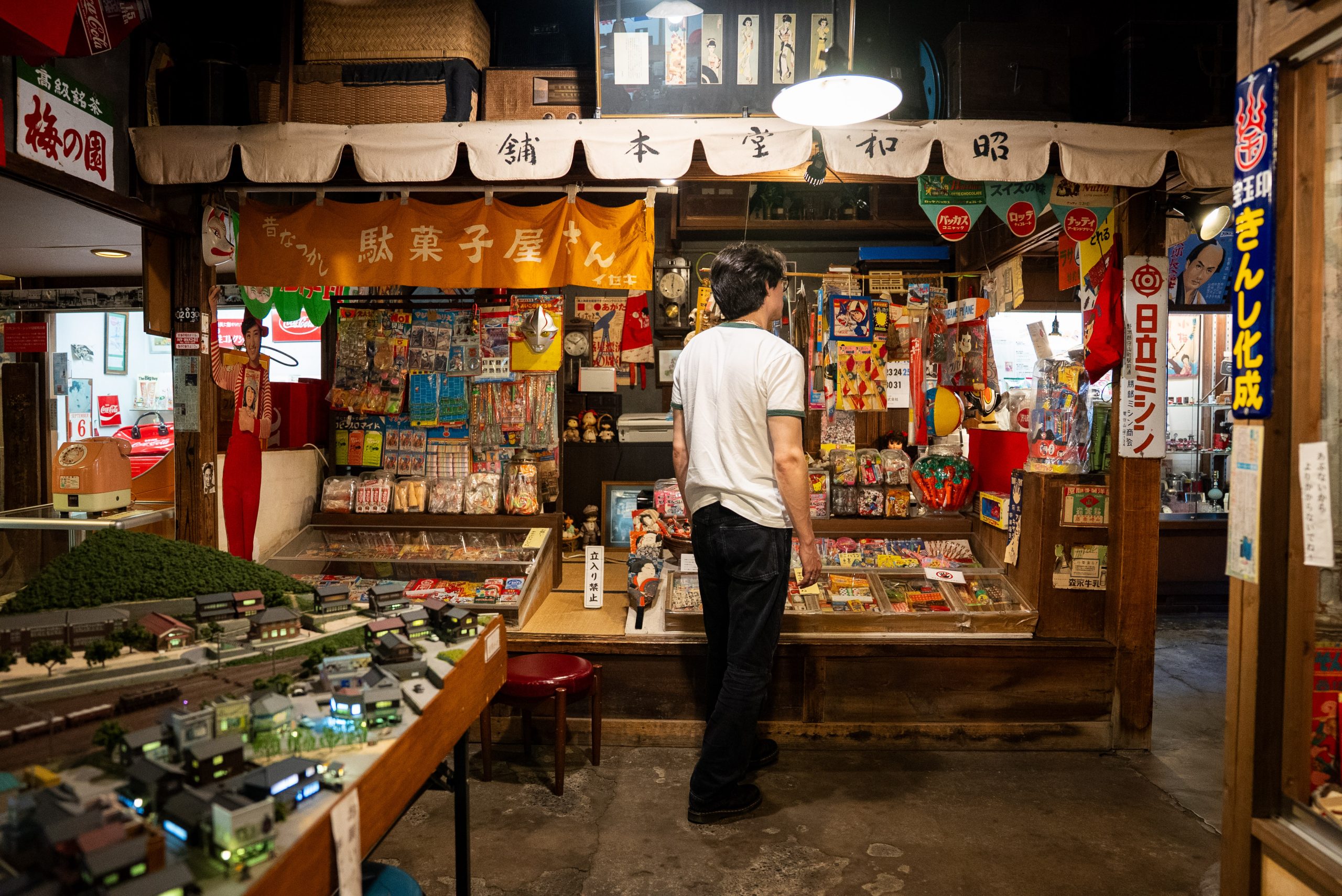
Less than two hours to the west of central Tokyo, Ome holds several gentle surprises for the curious daytripper. The first is that it’s hard to believe you’re still in Tokyo. Nestled next to the Tama River and to the south of the lushly green Ome Hills, it’s a world away from the bustle of Shinjuku. The second is that it feels like you might have traveled back in time—the area is steeped in nostalgia and tradition. The townscape stretching from Ome Station retains a certain retro charm, lined with numerous buildings from the early post-war era and streets adorned with posters of faces from the past.
As you explore further, you’ll encounter a whole host of other surprises: from a 300-year-old sake brewery and an indigo dyeing workshop to a museum dedicated to retro goods—and Tokyo’s only wooden cinema. There’s also a surprising number of cats—but it’s not quite what you think.
Taste Tradition: Sake Brewing by the River at Sawanoi Ozawa Brewery
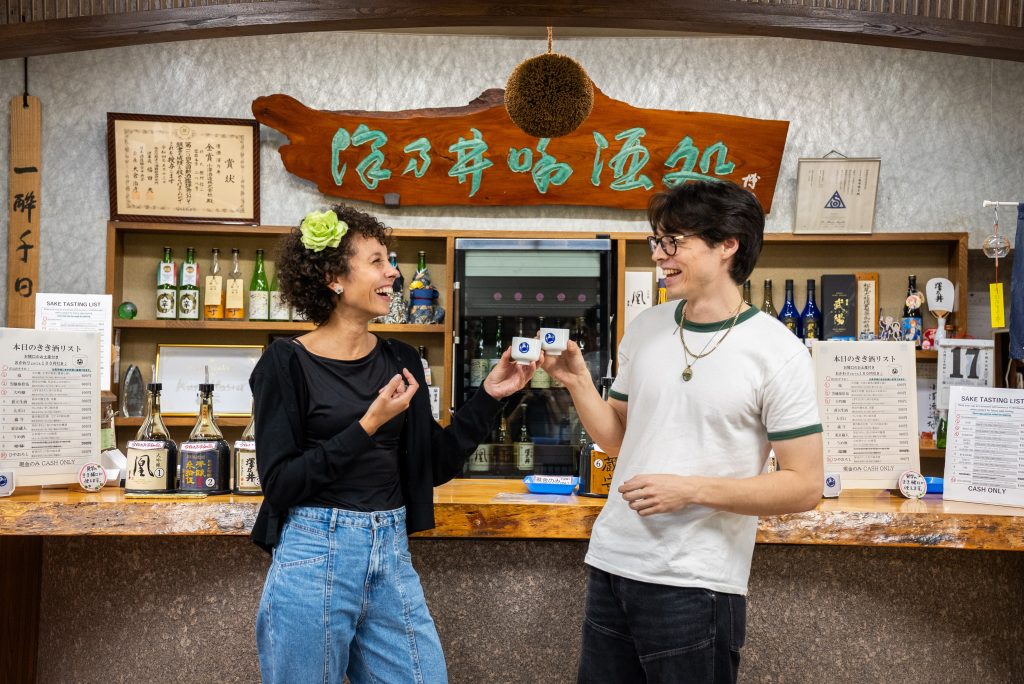
Ozawa Sake Brewery is where craftsmanship and nature combine. Established in 1702, it’s a family business that continues to flourish under its 23rd-generation owner. Located right on the Tama River, water is at the heart of the brewery’s foundation and identity. Its flagship brand is Sawanoi, named after the historic place name “Sawai Village,” which literally translates to “well of the mountain stream/marsh.”
The brewery draws the majority of its water from a well in a tunnel dug 140 meters horizontally underground, where medium-hard water—ideal for brewing more delicate sake—naturally springs from the earth. It also maintains a separate well that taps slightly softer water, allowing the master brewer and his team to select the best water for each brew and fine-tune the process. Fancy something smooth and silky with a light aroma of melon? Or perhaps something more robust and with more umami, a perfect partner for a hearty meal? Ozawa Brewery’s line-up has something to suit all palates.
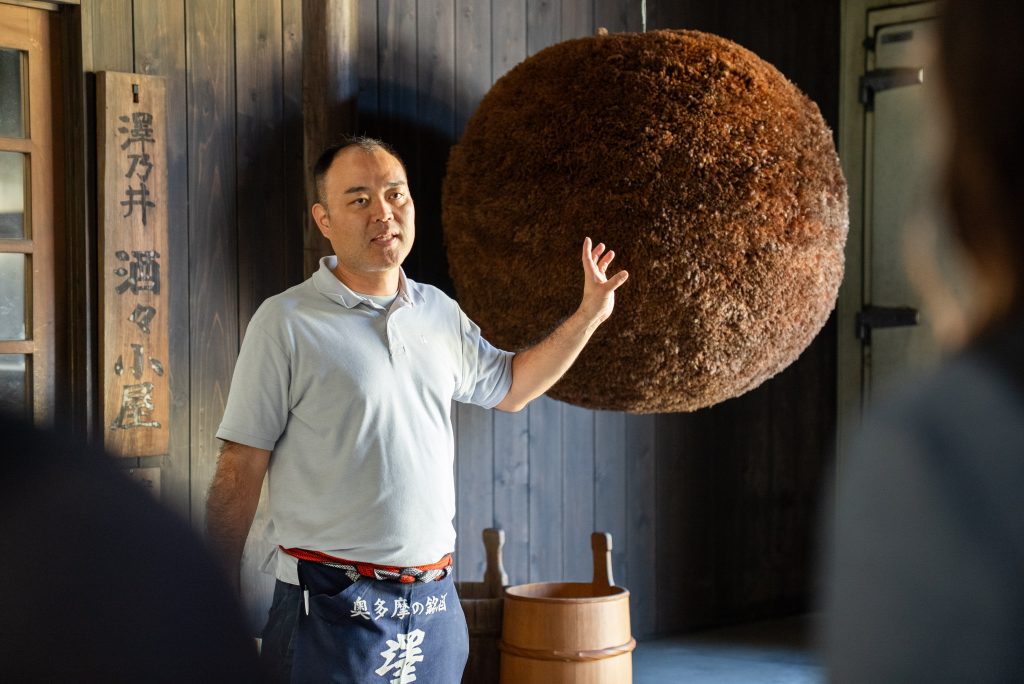
Take a tour of the brewery to get a sense of the overall brewing process and for the chance to enter the cave to see the well up close. Note the coolness inside the Genroku-gura brewery building—it’s a cleverly designed mud-walled structure with a double-layered roof that effectively moderates the extreme summer and winter temperatures outside. The tour is offered twice a day on weekdays, from 11am and 1pm, and three times on weekends and public holidays, from 11am, 12:30pm and 2pm. It’s conducted in Japanese, but English brochures are provided for reference.
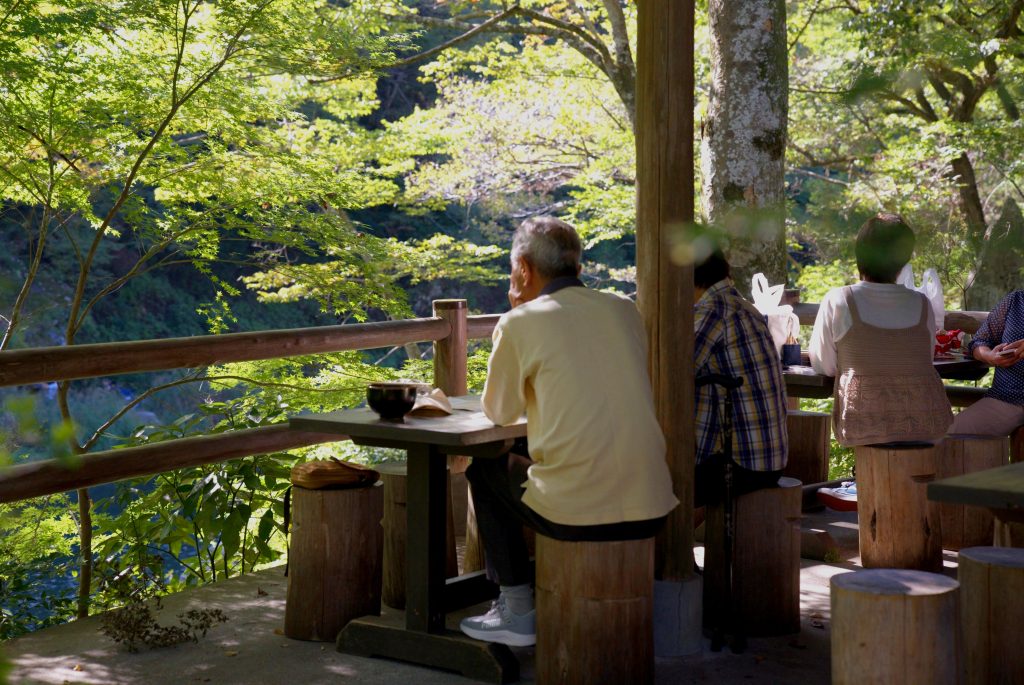
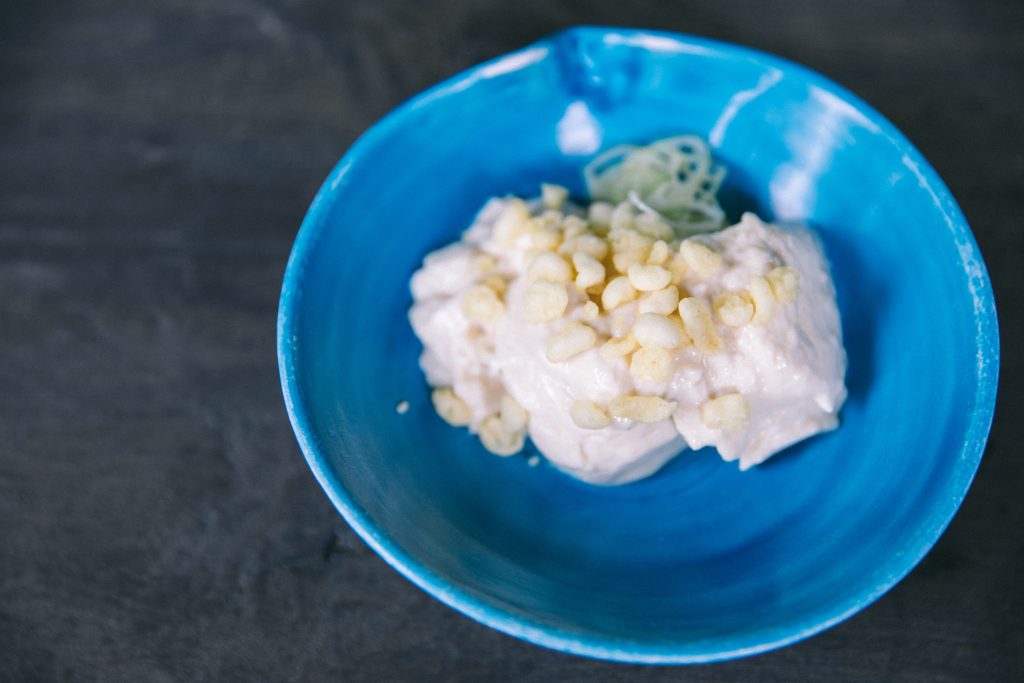
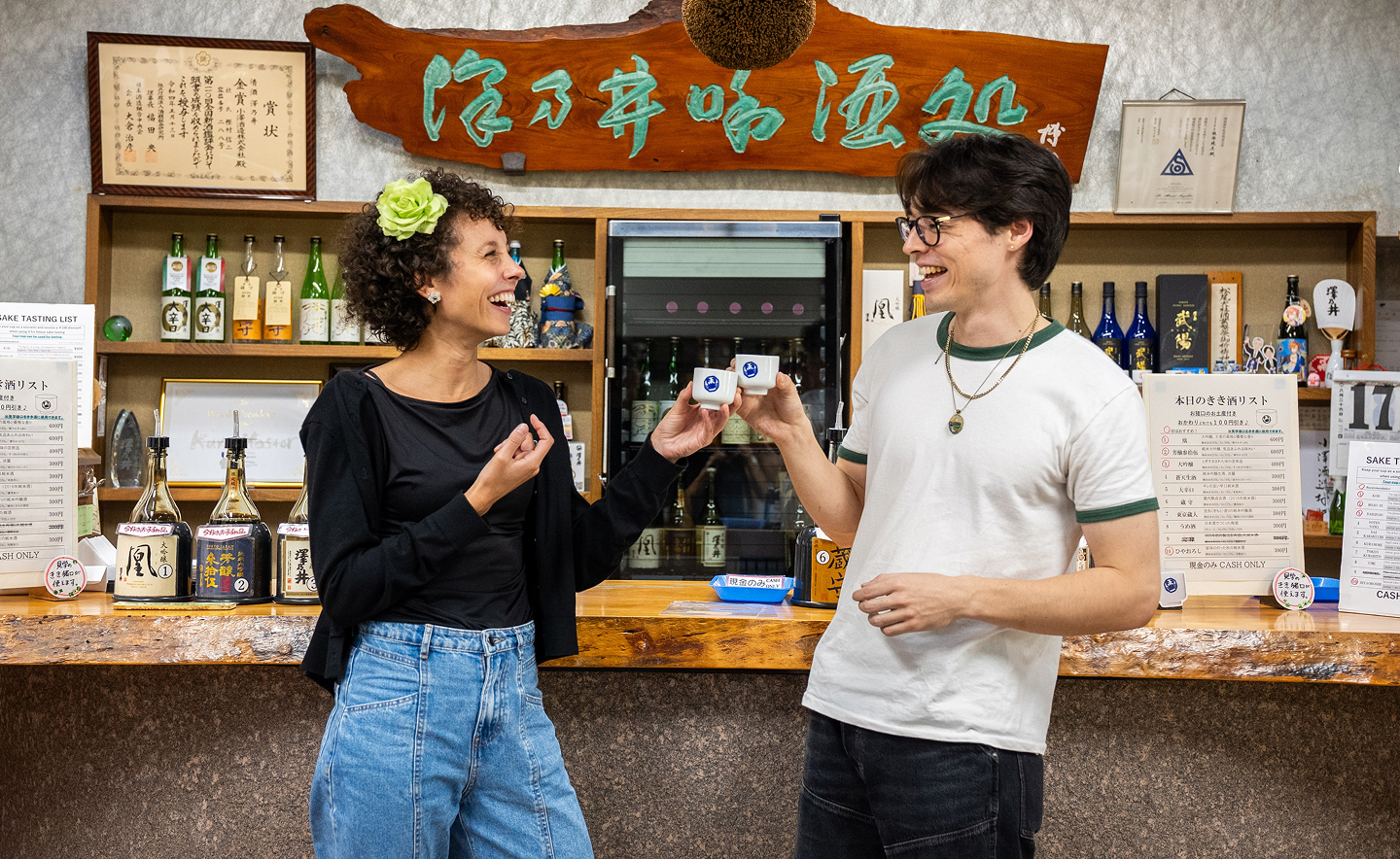
After the tour, head to the tasting room where you can sample up to ten kinds of sake from the brewery, including a seasonal offering. Then, settle yourself at Sawanoien, a beautiful garden cafe on the banks of the river, where you can enjoy a light lunch, warm drinks, and even more sake. Don’t miss trying the oboro tofu, a creamier, softer style of tofu, also made with the fantastic local water.
Hands-on Heritage: Indigo Dyeing at Kosoen
Ome was one of the most important centers for textile production in the Edo Period (1603-1868), and indigo dyeing emerged in the area as part of that history. At Kosoen, you can get stuck into this traditional craft, learning about its deep connections to nature.
All indigo used at the workshop is made from entirely natural ingredients. The key is sukumo—fermented indigo leaves. This mixture is then combined with ash, lye, sake, bran (wheat husks), and lime, and fermented in a 130 cm-deep vat for approximately a week before it’s ready for dyeing. Once the fermented liquid can no longer be used—typically after three to six months—it’s spread on fields as fertilizer for growing vegetables.
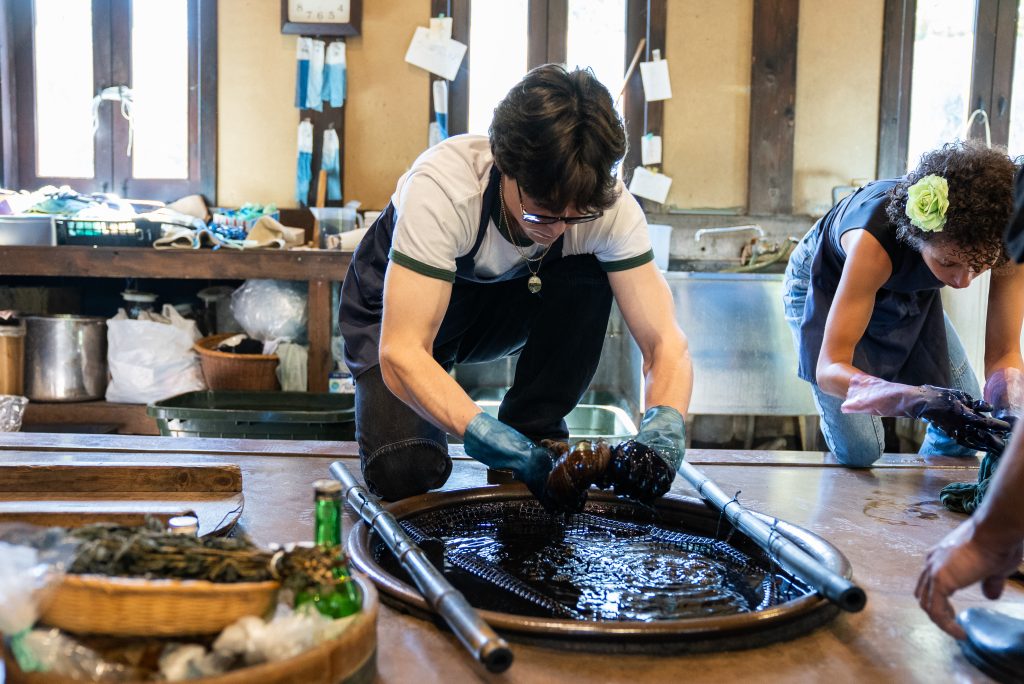
At the workshop, which is offered on Fridays, weekends, and public holidays for up to nine people with advance booking, you can choose between making a T-shirt, scarf, bandana, or hand towel. The craftsman will guide you through the folding pattern to produce your desired design. But then it’s up to you—immersing your chosen item multiple times in the inky liquid until the final reveal. The more times an item is dyed, the deeper the color becomes. You may know indigo as one of the colors of the rainbow, but in Japanese, there are several names that highlight the various shades produced by indigo dyeing.
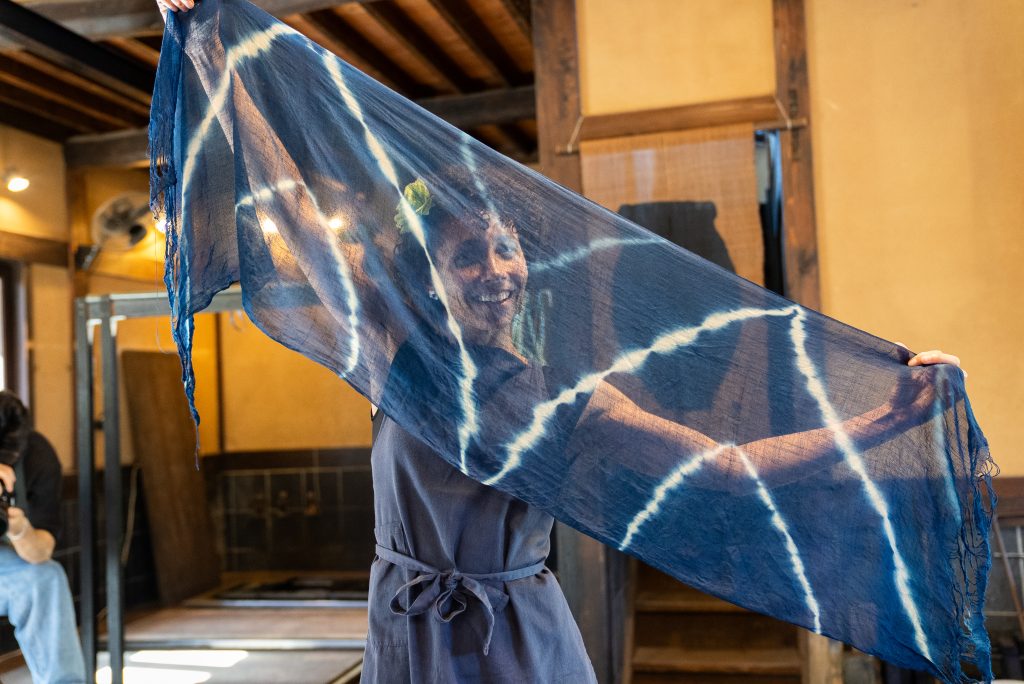
What’s more, you never quite know exactly how it’ll turn out, but as Hisanao Sugimoto, one of Kosoen’s craftsmen, says, that is the beauty of hand-dyeing. His philosophy is: “Follow nature. Don’t try to control it too much. Follow your instincts.”
In addition to taking home your very own freshly dyed masterpiece, there’s a shop with high-quality and creative indigo-dyed garments, from knitted sweaters to silk scarves.
Time Travel: A Visit to the Showa Retro Packaging Museum and Cinema Neko (Cat!)
Two things you’ll notice within just a few paces of Ome Station are movie posters and cats—cat pictures, cat statues, and even cat movie posters! These are part of a local town revitalization strategy, which honors the area’s history. Back in the day, Ome had three movie theaters and was full of actual posters advertising the latest showings.
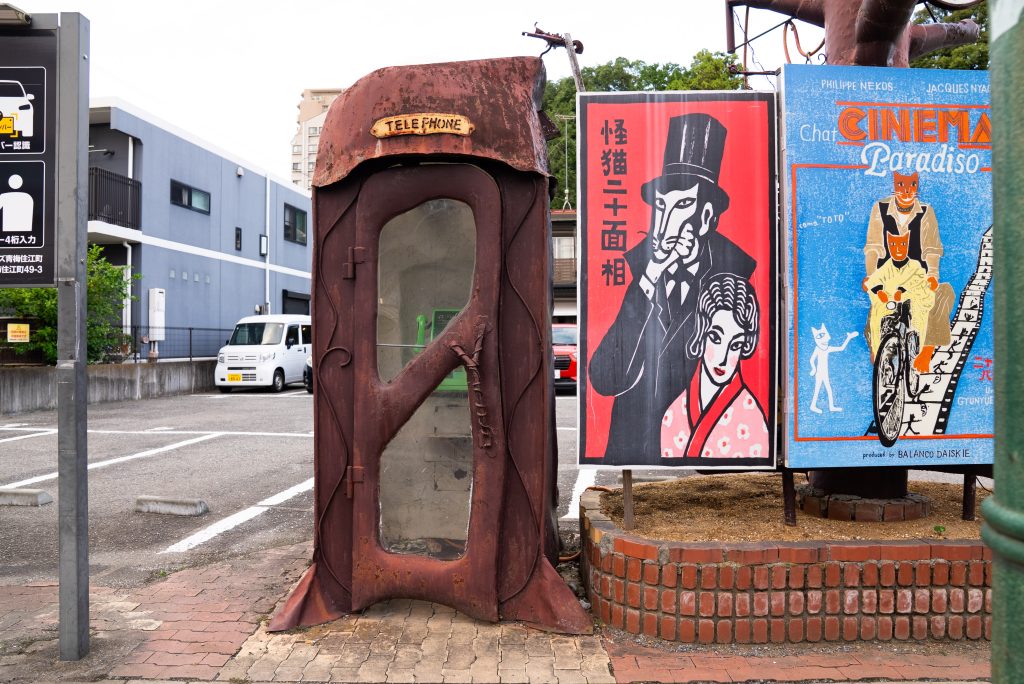
As for the cats, locals have long valued them as a symbol of business prosperity. Back when the textiles industry was at its height, cats were considered particularly lucky as they exterminated the mice that would eat the silkworm cocoons. There’s no caterwauling here, however. The town has a peaceful atmosphere that evokes a different era, and you’ll encounter plenty of buildings and relics that hark back to an earlier time.
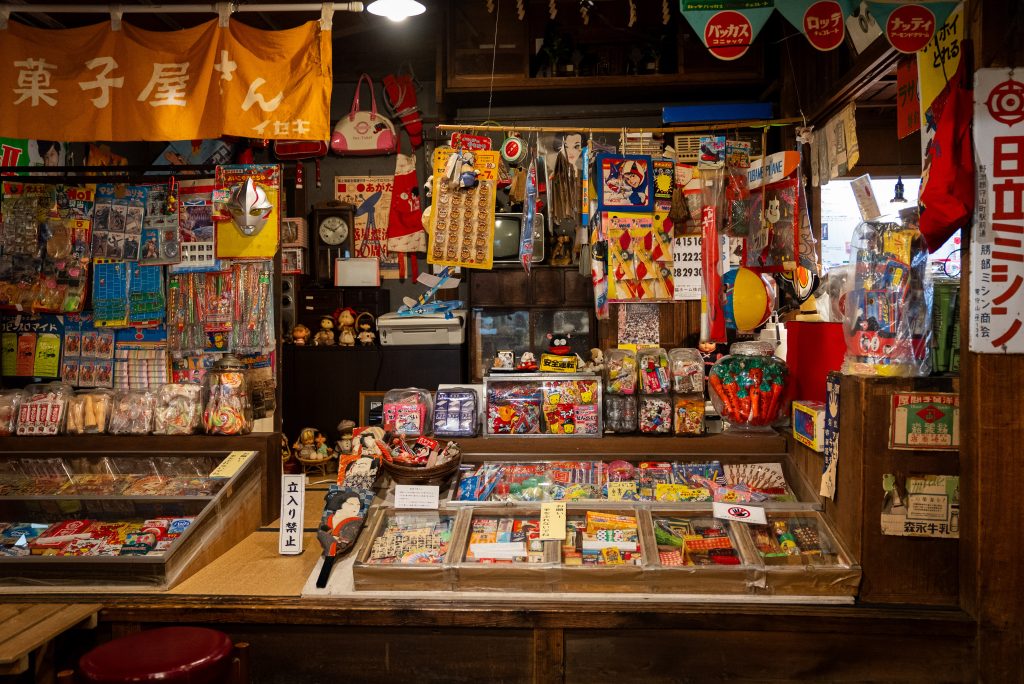
Showa Retro Packaging Museum
Fully embracing Ome’s sense of nostalgia, this small yet highly varied museum showcases a wide range of Showa Era (1926-1980) artifacts, predominantly from the 1950s onward, when Japan entered a period of rapid modernization. There are displays of toys, candy, and cosmetics throughout the ages, as well as old hand-painted movie posters. The more you look, the more you discover.
The second floor is for the brave, and that’s not just because the steep staircase is more of a ladder—it hosts an exhibition on Yuki Onna, literally “Snow Woman,” a well-known Japanese horror folktale.
The museum was founded in 1999 by the local shopping street association and is housed in a former furniture store. Local people continue to donate Showa artifacts, so the museum has come to embody the history of both the area and the community.
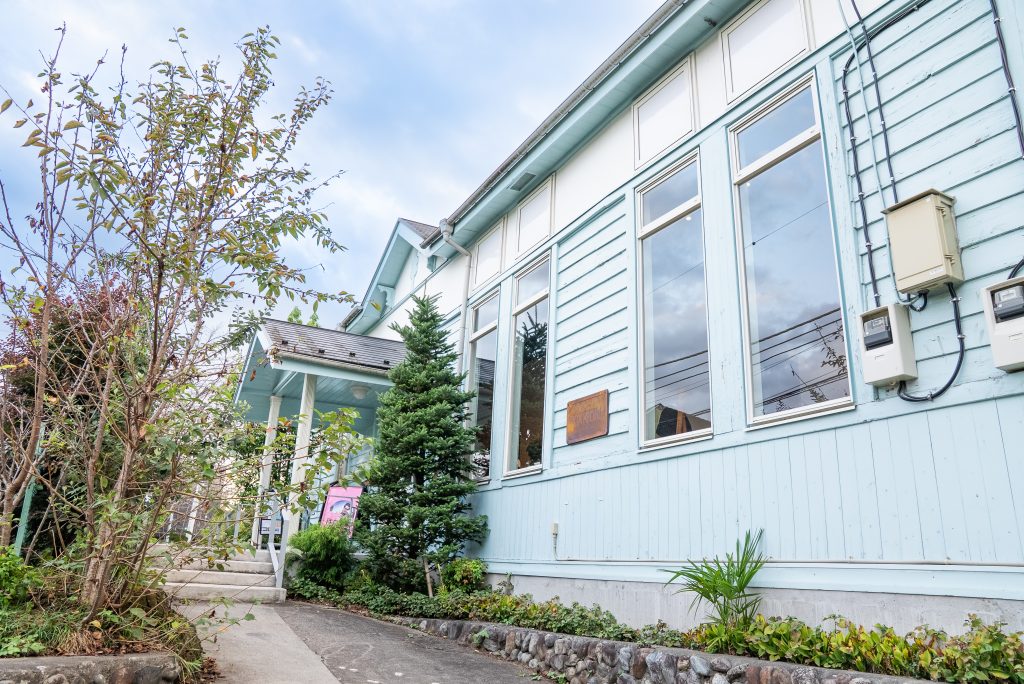
Cinema Neko
Literally called “Cinema Cat,” this movie theater opened in June 2021 with the aim of reviving the movie theater scene in Ome. The only wooden cinema in Tokyo, the building dates from the early Showa period and is a registered tangible cultural property of Japan. While most films are in Japanese, the venue occasionally showcases international cinema, so be sure to check the website for listings.
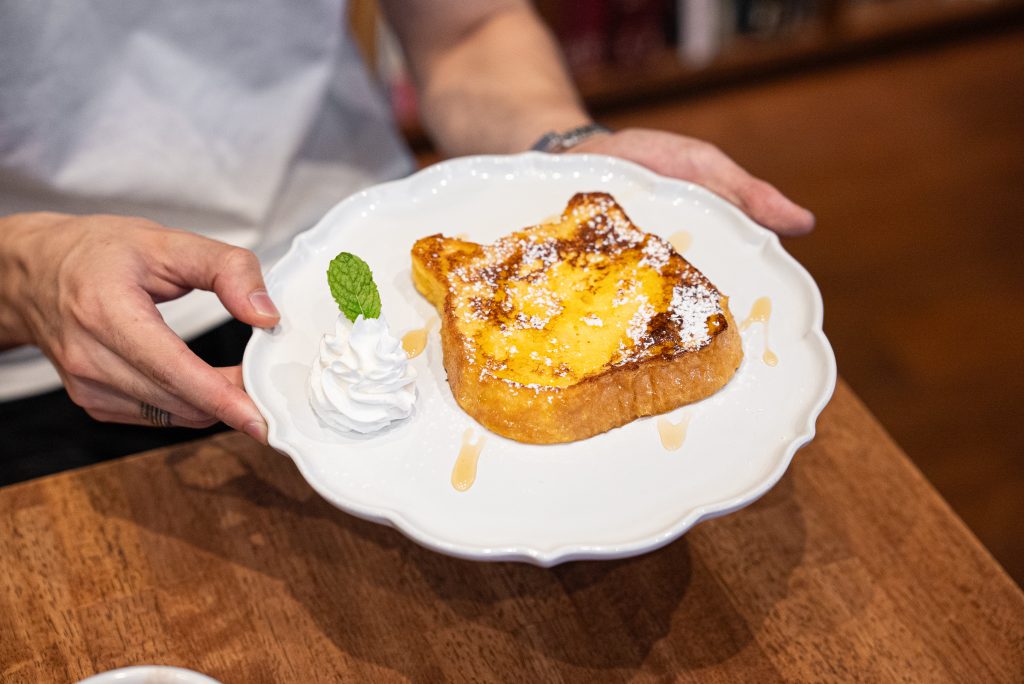
Movies aside, though, the cinema’s cafe is the perfect place to stop for recharging with caffeine and cuteness. The menu is cat-themed—the cappuccino is adorably adorned with a paw print—and the cafe has teamed up with a local bakery for a delicious cat-shaped toast.
Plan your visit
Getting Around
Ome Station is roughly 1.5 hours from Shinjuku on the JR Ome Line. Facilities and attractions in the area are fairly spread out, so driving by far gives you the most freedom. However, the train line continues west along the Tama River and connects several villages. Ozawa Brewery, for example, is only a 5-minute walk from Sawai Station. Trains, however, are relatively infrequent, so checking timings in advance is highly recommended.
Food & Facilities
Ome isn’t as konbini-abundant as central Tokyo, but there are still several convenience stores a short drive from one another. The area boasts a range of charming eateries, from traditional shokudo (canteens) serving nourishing grilled fish or tempura teishoku (lunch sets) to a variety of newer establishments that still preserve the historic character of the area. Ome Bakushu, for example, is a craft beer joint that occupies a former Showa-era cosmetics store, with the original signage intact. Namio Coffee, located adjacent to the Showa Retro Packaging Museum, serves espresso-based beverages and doughnuts.
When to Visit
Anytime you can, really—Ome enchants in every season. Its nostalgic streets invite slow exploration—well worth a full day or even an overnight stay.
Accommodations
While Ome is an easy day trip from Tokyo, it’s a beautiful and rewarding area for a change of pace from city life. The area offers diverse lodging options, from Kamenoi Hotel Ome—a four-star ryokan along the Tama River with natural hot springs and kaiseki cuisine featuring local Akigawa beef and Ome pork—to traditional shukubo (shrine lodgings) on nearby Mount Mitake, where guests can enjoy vegetarian meals and take in the mountain views. Be aware that options can book up, especially on weekends and during the peak spring and autumn seasons, so be sure to book in advance. For accommodation options in the area, see here.
Explore further
For further information and the latest updates on all featured locations, see their respective websites here: Sawanoi Ozawa Brewery, Kosoen, Showa Retro Packaging Museum, Cinema Neko. Please note that tours at Sawanoi Ozawa Brewery and the dyeing experience at Kosoen require advance bookings.
GET TO KNOW Ome